Explore the fifth taste: umami, Japan's gift to flavor. Learn how to identify and experience the rich, savory essence in various dishes, from sushi to ramen, and discover the best places to indulge in this culinary delight.
By the Yes Ichiban editors · Updated September 2026
Umami, often referred to as the 'fifth taste,' is a Japanese culinary treasure that has captured the hearts of foodies around the world. This unique flavor profile, often described as rich, savory, and meaty, is a hallmark of Japanese cuisine. In this article, we'll delve into the world of umami, exploring its history, characteristics, and most importantly, the best places to experience it.
A Brief History of Umami
Umami, a term coined by Japanese chemist Kikunae Ikeda in 1908, is derived from the Japanese word for 'pleasant savory taste.' Ikeda discovered that a specific amino acid, glutamate, was responsible for the unique flavor profile of kombu, a type of seaweed. This breakthrough led to the identification of umami as the fifth taste, in addition to sweet, sour, bitter, and salty.
Characteristics of Umami
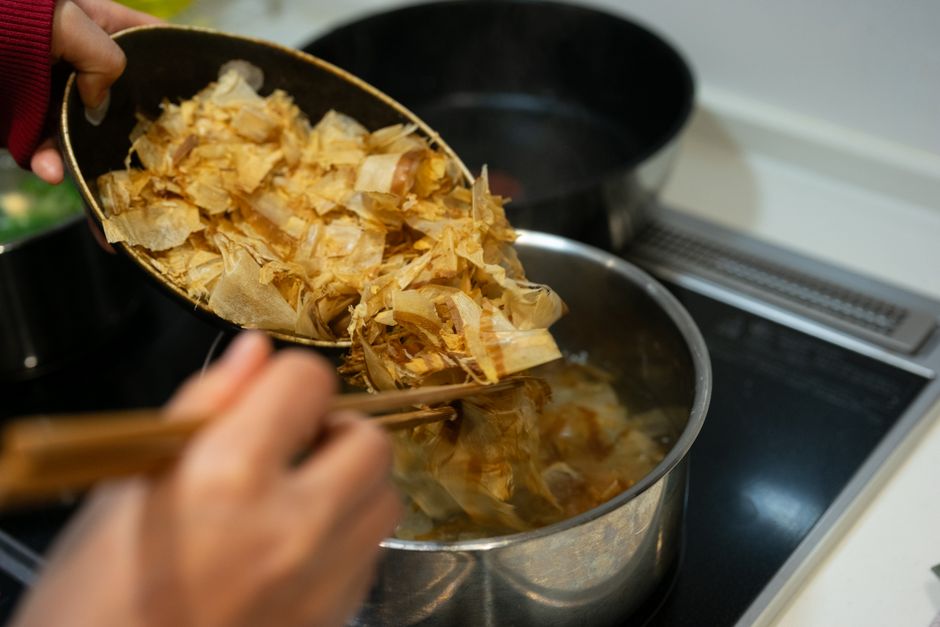
Umami is characterized by its deep, rich flavor profile, which can be attributed to the presence of glutamate and other amino acids. This taste is often associated with foods that are high in protein, such as meats, seafood, and mushrooms. Umami can also be found in foods that are fermented, aged, or cooked, such as soy sauce, miso, and dashi.
Umami in Japanese Cuisine
Umami is a fundamental component of Japanese cuisine, and it's often used to enhance the flavors of other ingredients. In sushi, umami is a key element in the preparation of sushi rice, which is typically seasoned with dashi, a traditional Japanese cooking stock. In ramen, umami is found in the rich, savory broth, often made with pork bones, chicken, and seafood.
Top-Rated Places to Experience Umami
For a taste of authentic umami, visit Sushi Saito, a three-Michelin-starred sushi restaurant in Tokyo. Their sushi rice is infused with dashi, creating a rich, savory flavor profile that's quintessential umami.
In Kyoto, try Kikunae's, a restaurant named after the discoverer of umami. Their menu features dishes that showcase the unique flavor profile of umami, including a dashi-based soup and grilled meats.
For a more casual experience, head to Ichiran, a popular ramen chain with locations throughout Japan. Their rich, savory broth is a perfect example of umami in action.
In the United States, visit Momofuku Noodle Bar in New York City. This restaurant, founded by celebrity chef David Chang, offers a range of dishes that incorporate umami flavors, including their famous pork buns.
Conclusion
Umami is a unique and essential component of Japanese cuisine. By understanding the characteristics and history of umami, you'll be better equipped to appreciate the rich, savory flavors that this fifth taste has to offer. Whether you're a seasoned foodie or just starting your culinary journey, exploring the world of umami is sure to be a rewarding experience. So, go ahead and indulge in the rich, savory flavors that Japan has to offer!
Where to try it near you
Reading is good; tasting is better. Find the top-rated spots, ranked by real Google reviews.