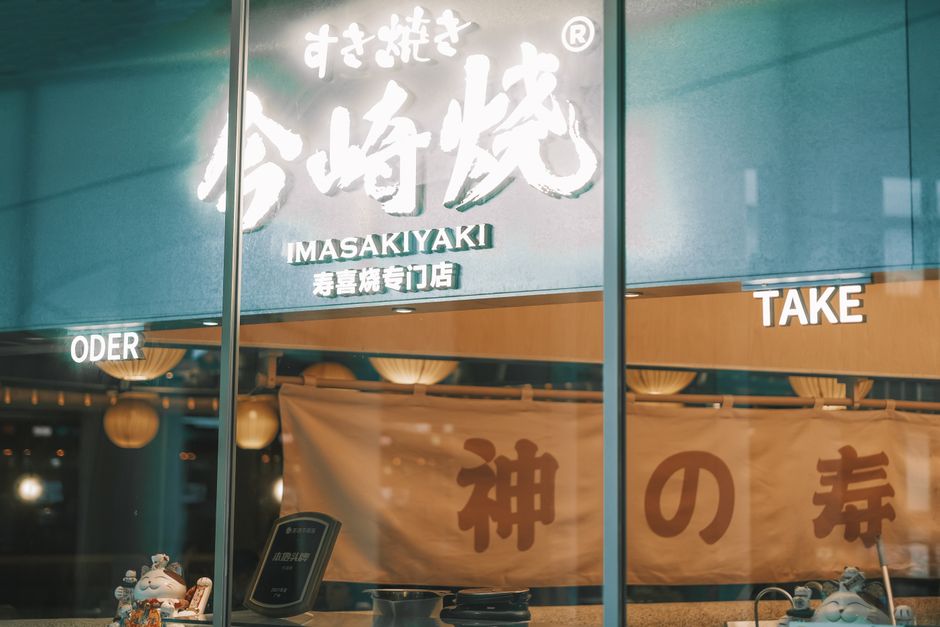
Discover the secrets behind Japanese restaurant names and what they reveal about the dining experience. From Sakura to Fuji to Ichiban, learn how to decipher the meaning and find the best spots.
By the Yes Ichiban editors · Updated October 2026
In Japan, the name of a restaurant can tell you a lot about what to expect from your dining experience. Let's take a closer look at some common naming conventions and what they mean for you, the diner.
Sakura Restaurants
Sakura, which means 'cherry blossom' in Japanese, is a popular name for restaurants that serve traditional Japanese cuisine. These restaurants often focus on seasonal ingredients and offer a range of dishes, from sushi to hot pot. If you see the name Sakura, you can expect a classic Japanese dining experience with a focus on fresh, local ingredients.
- Try Sakura restaurants for traditional Japanese dishes like tempura, tonkatsu, and yakitori.
- Look for seasonal menus that highlight the freshest ingredients of the year.
Fuji Restaurants
Fuji, named after Japan's iconic mountain, is a name often associated with Japanese restaurants that serve high-quality, refined cuisine. These restaurants often have a focus on presentation and offer dishes that are both visually appealing and delicious. If you see the name Fuji, you can expect a more upscale dining experience with a focus on presentation and quality ingredients.
- Try Fuji restaurants for high-end Japanese cuisine like sushi, sashimi, and omakase.
- Look for dishes that are carefully presented and feature high-quality ingredients.
Ichiban Restaurants
Ichiban, which means 'first' or 'best' in Japanese, is a name often used by restaurants that pride themselves on serving the highest-quality dishes. These restaurants often have a focus on using only the freshest, highest-quality ingredients and offer a range of dishes, from sushi to hot pot. If you see the name Ichiban, you can expect a dining experience that prioritizes quality and freshness.
- Try Ichiban restaurants for high-quality Japanese dishes like sushi, sashimi, and ramen.
- Look for restaurants that use only the freshest ingredients and have a focus on quality control.
Other Naming Conventions
While Sakura, Fuji, and Ichiban are popular names for Japanese restaurants, there are other naming conventions to keep in mind. Some restaurants may use names that reflect their location, like Tokyo or Osaka, while others may use names that reflect their specialty, like sushi or ramen. No matter what the name is, you can expect a unique and delicious dining experience at a Japanese restaurant.
- Try restaurants with names that reflect their location for a taste of local cuisine.
- Look for restaurants with names that reflect their specialty for a unique dining experience.
Now that you know what to expect from Japanese restaurant names, you can start exploring the best spots in town. Whether you're looking for traditional cuisine, high-end dining, or a unique experience, there's a Japanese restaurant out there for you. So go ahead, grab a friend, and start your Japanese food adventure today!
Where to try it near you
Reading is good; tasting is better. Find the top-rated spots, ranked by real Google reviews.