Discover the world of green tea and matcha, from everyday cups to traditional ceremonies. Learn about the history, benefits, and cultural significance of Japan's most iconic beverage.
By the Yes Ichiban editors · Updated November 2026
Green tea and matcha are an integral part of Japanese culture, with a rich history dating back centuries. In this article, we'll delve into the world of green tea and matcha, exploring its everyday uses, health benefits, and traditional ceremonies.
History of Green Tea and Matcha
Green tea has been a staple in Japan for over 1,000 years, with records of tea consumption dating back to the Heian period (794-1185 CE). The traditional Japanese green tea, known as sencha, is made from the leaves of the Camellia sinensis plant, which is the same plant used to make black tea. However, the processing methods and temperature control during fermentation distinguish green tea from black tea.
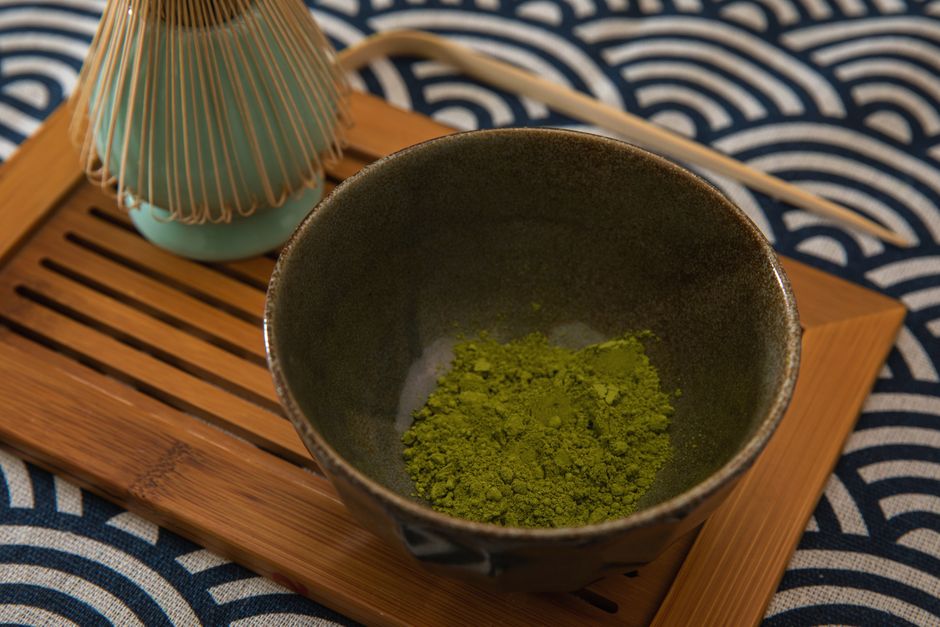
Matcha, on the other hand, is a finely ground, powdered green tea that originated in the 12th century. Matcha is made from the same Camellia sinensis plant as sencha, but the leaves are shade-grown, increasing the chlorophyll and L-theanine content. This unique process gives matcha its bright green color and distinctive flavor.
Everyday Use of Green Tea and Matcha
In Japan, green tea is an integral part of daily life, often served at social gatherings, business meetings, and as a comfort drink. Sencha is the most popular type of green tea, with a mild, slightly astringent flavor. It's commonly served at temperatures ranging from 160°F to 170°F (71°C to 77°C), making it perfect for everyday consumption.
Matcha, on the other hand, is often used as an ingredient in traditional Japanese sweets and desserts, such as mochi and manju. It's also used in modern recipes, from smoothies to baked goods. The bright green color and unique flavor of matcha make it a popular choice for special occasions and celebrations.
Health Benefits of Green Tea and Matcha
Green tea and matcha have been touted for their numerous health benefits, including:
- Antioxidant properties: Green tea contains high levels of antioxidants, which help protect the body from free radicals and oxidative stress.
- Weight loss: Green tea has been shown to aid in weight loss by increasing metabolism and fat burning.
- Anti-inflammatory: The polyphenols in green tea have anti-inflammatory properties, which may help reduce the risk of chronic diseases.
- Brain function: The L-theanine in green tea may help improve focus, concentration, and mood.
- Cardiovascular health: Regular consumption of green tea may help reduce the risk of heart disease and stroke.
When choosing between sencha and matcha, consider the following:
- Sencha: A more approachable, everyday green tea with a mild flavor.
- Matcha: A more intense, powdered green tea with a bright green color and unique flavor.
Traditional Japanese Tea Ceremonies
Japanese tea ceremonies, also known as Chanoyu, Sado or Ocha, are an integral part of Japanese culture. These ceremonies, which date back to the 16th century, are a time for contemplation, relaxation, and social bonding. The traditional Japanese tea ceremony involves:
- A specially designed room or garden.
- A traditional tea set and utensils.
- A selection of Japanese sweets and snacks.
- A carefully prepared and served green tea, often matcha.
When attending a traditional Japanese tea ceremony, be sure to:
- Remove your shoes before entering the tea room.
- Wear traditional Japanese clothing, if possible.
- Be respectful and mindful of the ceremony and the host.
Japan is home to countless tea houses and cafes serving high-quality green tea and matcha. For a unique experience, visit the following top-rated spots:
- Gyokuro Kaneko in Kyoto, known for its high-quality gyokuro green tea.
- Ippodo Tea Co. in Tokyo, a renowned tea company offering a wide range of green teas and matcha.
- Yame Tea Factory in Fukuoka, a historic tea factory offering tours and tastings of their premium green teas.
Whether you're a tea enthusiast or just looking to try something new, green tea and matcha are an integral part of Japanese culture. With its rich history, health benefits, and cultural significance, green tea is a beverage that's sure to bring people together.
Where to try it near you
Reading is good; tasting is better. Find the top-rated spots, ranked by real Google reviews.