Dive into the rich cultural heritage of Japanese cuisine and discover the fascinating stories behind your favorite dishes. From ancient myths to modern twists, learn how traditional Japanese fare is steeped in history and symbolism.
By the Yes Ichiban editors · Updated October 2026
Japanese cuisine is renowned for its attention to detail, precision, and respect for tradition. But did you know that many beloved dishes have fascinating stories and cultural significance behind them? In this article, we'll delve into the folk tales and historical context that make Japanese food so rich and meaningful.
Food for Thought: The Symbolism of Japanese Cuisine
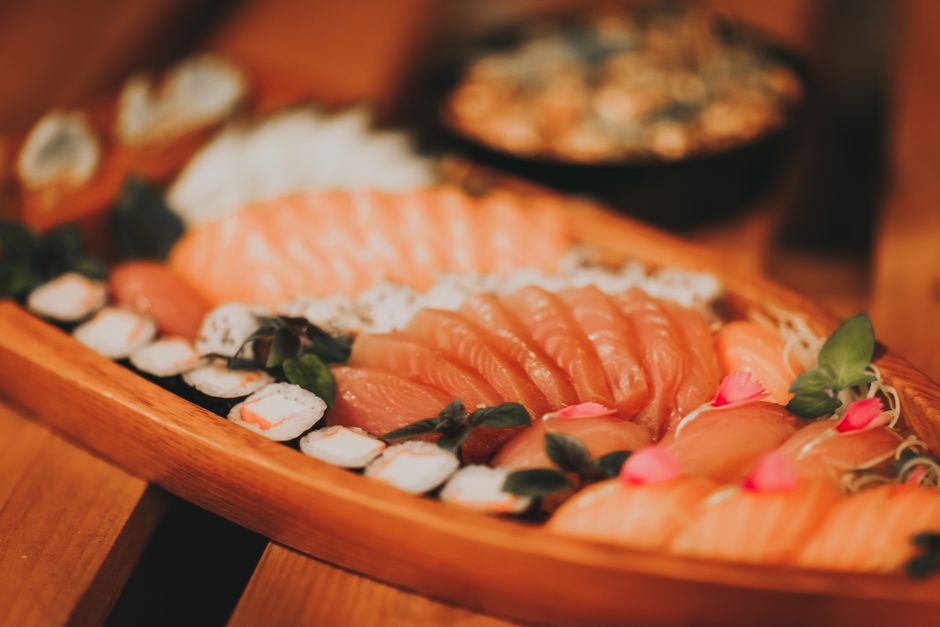
Japanese cooking is often described as 'food for thought,' as each dish is carefully crafted to evoke a specific emotional response. For example, the iconic sushi roll is said to represent the harmony between nature and human life. The delicate balance of flavors and textures is meant to mirror the balance between yin and yang, the opposing forces that govern the universe.
Another popular dish, Tonkatsu, has a fascinating history. This breaded and deep-fried pork cutlet is said to have originated in the 19th century, when Japanese cooks adapted European culinary techniques to create a unique fusion dish. The name 'Tonkatsu' is a portmanteau of the Japanese words for 'pork' and 'cutlet,' reflecting the dish's cultural hybridity.
Myth and Legend: The Stories Behind Japanese Dishes
Japanese cuisine is also steeped in mythology and legend. For instance, the humble Onigiri triangle-shaped rice ball is said to have been inspired by the mythical sun goddess, Amaterasu. According to legend, the sun goddess created the Onigiri to nourish her people during times of famine, and the dish has since become a staple of Japanese cuisine.
Another fascinating story surrounds the popular Ramen noodle soup. This beloved comfort food is said to have originated in the 19th century, when Japanese cooks adapted Chinese noodles to create a hearty, warming dish for the working class. The rich pork or chicken broth is meant to evoke the warmth and nourishment of a loving mother's care.
A World of Flavors: Exploring Japanese Cuisine
Japanese cuisine is incredibly diverse, with different regions and seasons influencing the types of ingredients and cooking techniques used. For example, the northern island of Hokkaido is famous for its fresh seafood and dairy products, while the southern island of Kyushu is renowned for its spicy miso and grilled meats.
Whether you're a seasoned foodie or just starting your culinary journey, exploring Japanese cuisine is a world of flavors waiting to be discovered. From the delicate flavors of tempura to the bold spices of Korean-inspired BBQ, there's a world of options to suit every palate.
Top-Rated Spots: Where to Find the Best Japanese Food
Ready to taste the magic of Japanese cuisine for yourself? Here are some top-rated spots to get you started:
- Sushi Saito (Tokyo): This three-Michelin-starred sushi restaurant is a must-visit for any sushi enthusiast.
- Ichiran Ramen (Fukuoka): This popular ramen chain has expanded globally, but its original location in Fukuoka is still the best place to try their iconic tonkotsu ramen.
- Kikunoi (Kyoto): This three-Michelin-starred kaiseki restaurant is a culinary experience like no other, with a focus on local, seasonal ingredients.
- Tsukiji Fish Market (Tokyo): This iconic market is a must-visit for any seafood lover, with some of the freshest sushi and sashimi in the world.
- Yakitori Alley (Tokyo): This charming alleyway in Tokyo's Shinjuku district is home to some of the city's best yakitori restaurants, serving up delicious skewers of grilled chicken and vegetables.
Join us on this culinary journey as we explore the fascinating stories and cultural significance behind Japanese cuisine. Whether you're a foodie or just looking to try something new, there's a world of flavors waiting to be discovered. Happy eating!
Where to try it near you
Reading is good; tasting is better. Find the top-rated spots, ranked by real Google reviews.