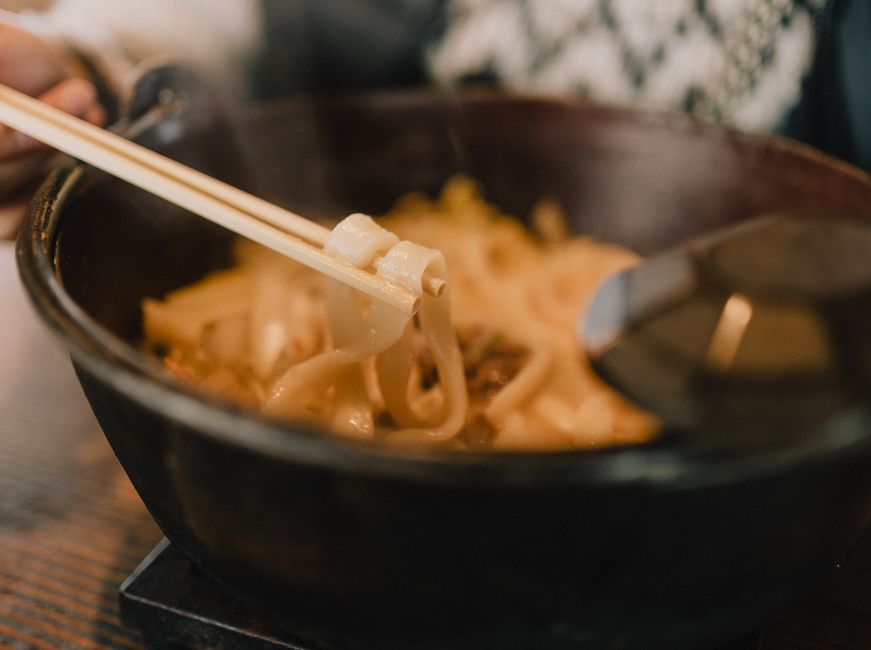
Mastering chopstick etiquette is essential for a seamless dining experience in Japan. Learn the dos and don'ts of using chopsticks like a pro, from proper grip to table manners.
By the Yes Ichiban editors · Updated October 2026
Chopsticks are an integral part of Japanese dining culture, and mastering their use is crucial for a harmonious mealtime experience. As you navigate the world of Japanese cuisine, it's essential to understand the etiquette surrounding these humble utensils.
Proper Grip
The first step in using chopsticks correctly is to learn the proper grip. Hold the top chopstick like you would a pencil, between your thumb and index finger. The bottom chopstick should be held between your middle finger and ring finger, resting on your palm.
- Practice holding the chopsticks until it feels natural. This will help you develop the necessary dexterity for picking up small food items.
Table Manners
Avoid crossing your chopsticks, as this is reminiscent of a funeral ritual in Japan. Instead, keep them parallel to each other and slightly above the plate. When not using your chopsticks, place them on a chopstick rest or the side of your plate.
- Never leave your chopsticks standing upright in your rice, as this is considered impolite. Instead, place them at an angle or use a chopstick rest. When finished eating, do not leave your chopsticks on the table for long periods. This can be perceived as rude, as it implies you're waiting for more food to arrive.
Picking Up Food
The art of picking up food with chopsticks requires finesse and patience. Here are some tips:
- Hold the top chopstick steady while moving the bottom one to pick up small items like rice, vegetables, or noodles.
- For larger pieces of food, use a gentle grasping motion, moving both chopsticks together.
Safety Tips
To avoid accidents and awkward situations:
- Avoid using your chopsticks to spear or poke at food. This can be perceived as aggressive or rude.
- Don't wave your chopsticks around while talking or gesturing. This can be seen as impolite or even threatening.
Chopstick Etiquette in Different Situations
Here are some additional etiquette tips for various situations:
- In formal settings, such as traditional Japanese restaurants or special occasions, it's best to use chopsticks with the correct grip and follow proper table manners.
- In casual settings, like food stalls or street markets, you can relax your grip slightly. However, still maintain a respectful attitude towards the food and other diners.
Conclusion
Mastery of chopstick etiquette is key to enjoying Japanese cuisine with locals and fellow travelers alike. By understanding the proper grip, table manners, picking up food, safety tips, and etiquette in different situations, you'll be well on your way to becoming a chopstick pro. So, the next time you're at a Japanese restaurant or trying street food, remember: good etiquette is just as important as delicious food!
Where to try it near you
Reading is good; tasting is better. Find the top-rated spots, ranked by real Google reviews.